Blog

  • Featured Member: Marva Hinkson

    Featured Member: Marva Hinkson

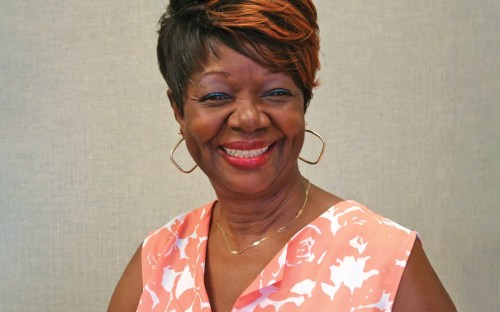
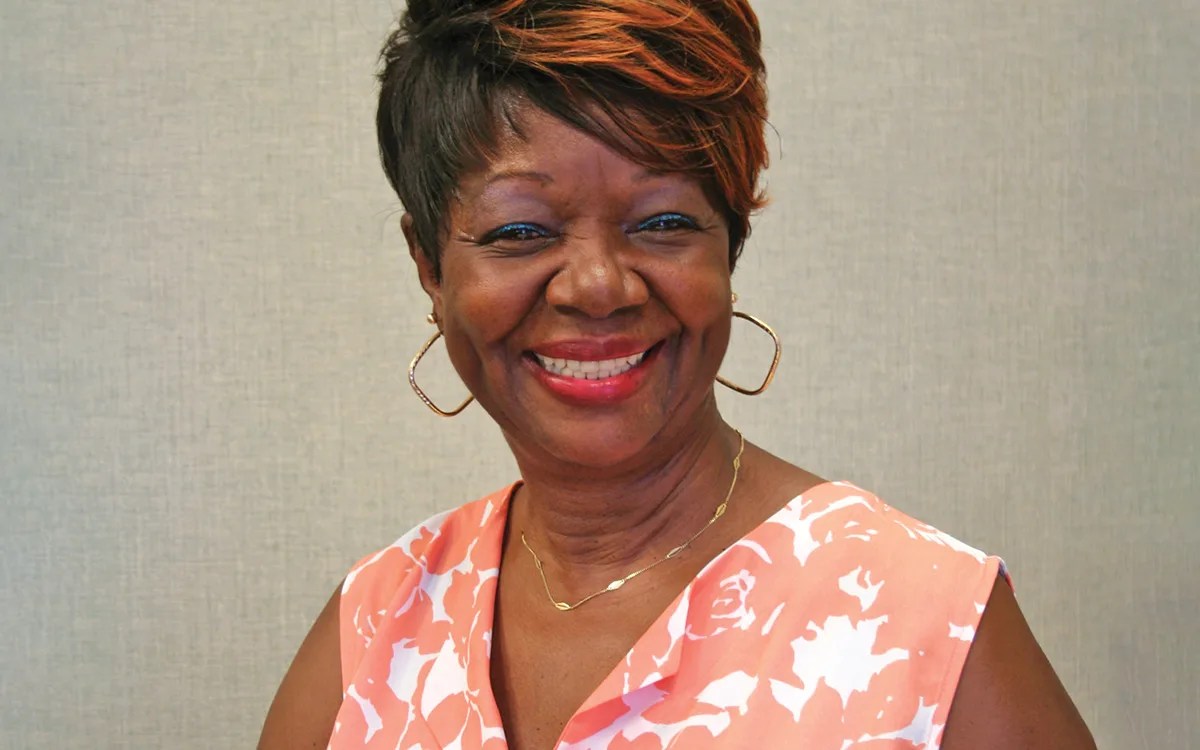
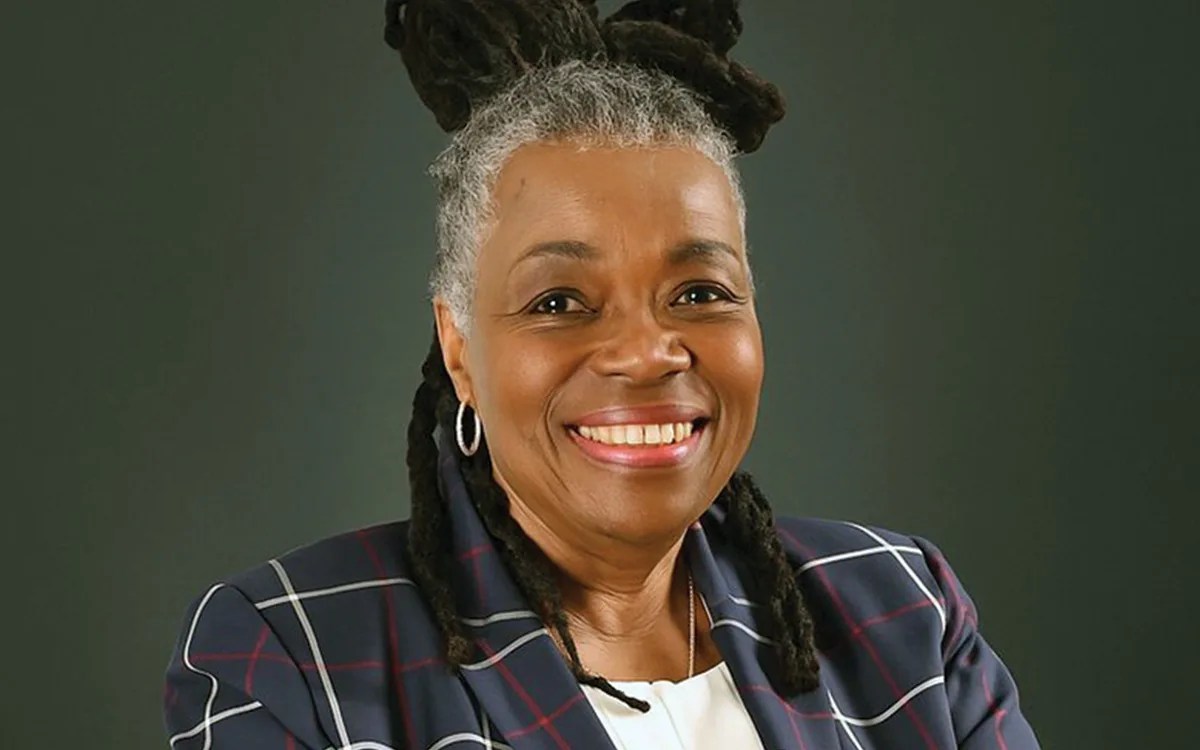
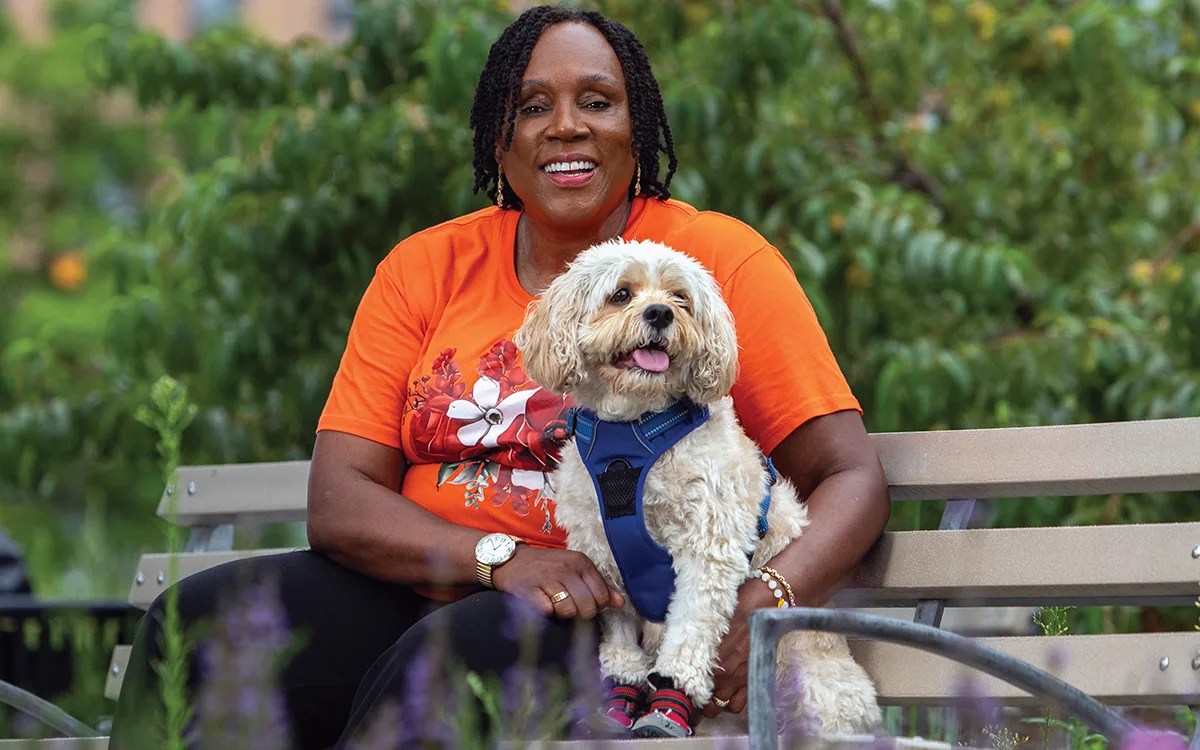
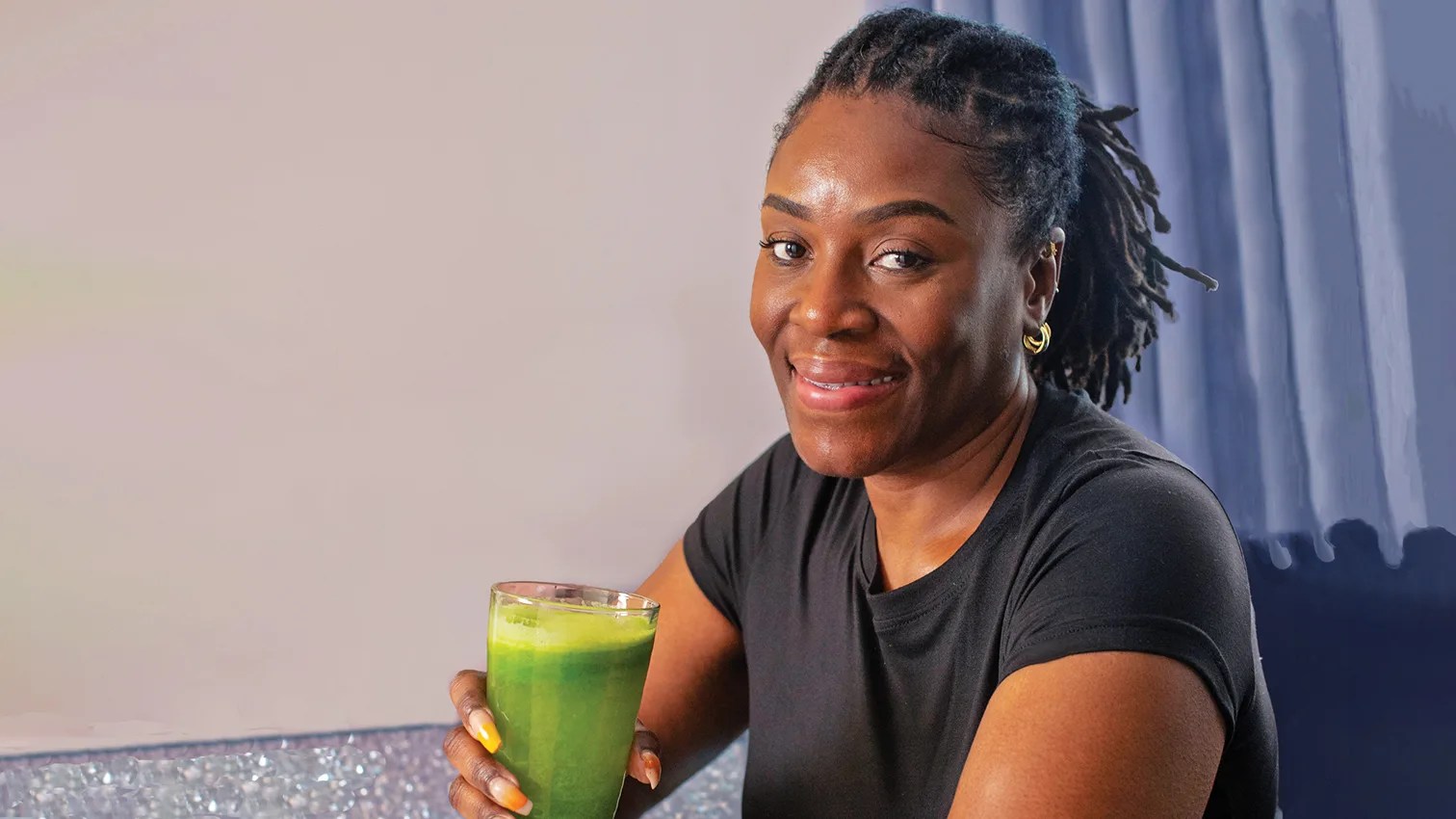
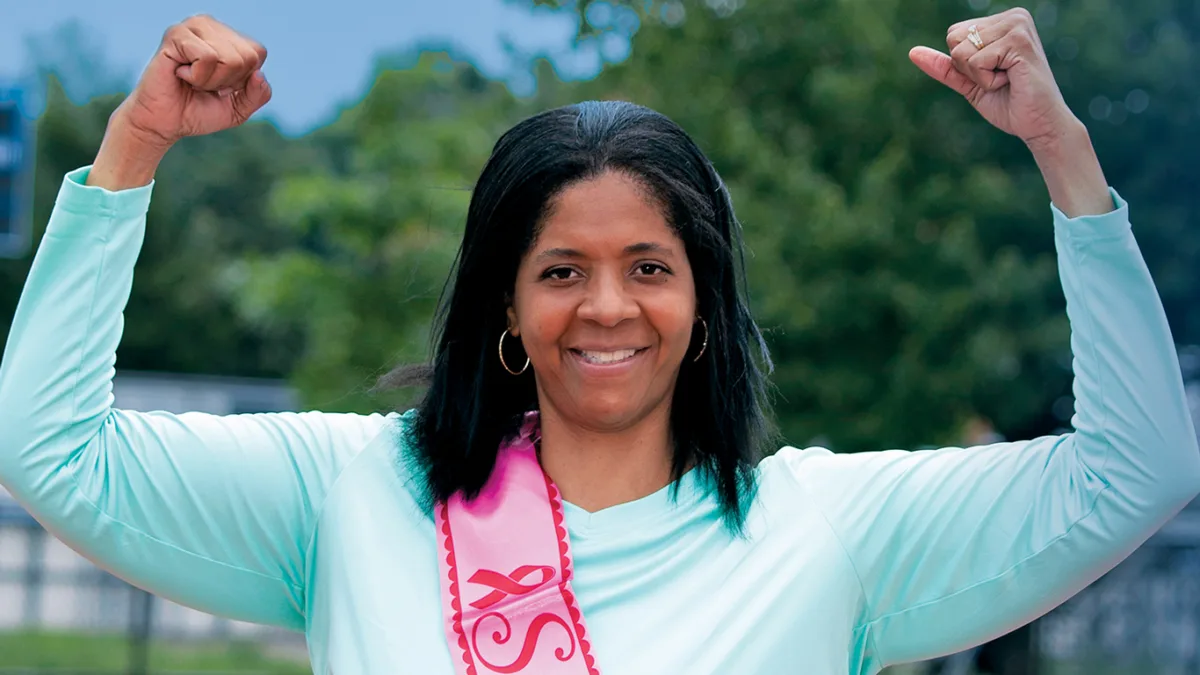
    Marva Hinkson

    Perioperative Assistant, NewYork-Presbyterian

    WHY

    Marva Hinkson isn’t just working toward better health—she’s working toward the future she’s always imagined for herself, her family and her community.

    Born and raised in the Bronx, Marva Hinkson has a clear vision of what she wants to do when retirement finally comes. She imagines giving back to her community and staying connected to the people and places that helped shape her.

    “It may sound corny, but I’d like to help bag meals at church or organize a block party for the kids,” she said.

    But while the NewYork-Presbyterian/Columbia University Perioperative Assistant recently turned 61, she’s not retiring anytime soon. Instead, she’s focused on something just as important: taking charge of her health now so she can fully enjoy everything she hopes to do when she does retire.

    Listen to Marva’s story.

    Marva’s health journey began with a visit to her family doctor. He has cared for not only her but also her husband, Rufus, and her son, LaVar. “I’ve been seeing him for more than 30 years,” she said. “He’s honest and very friendly, but he’s also serious about our health. That’s why we trust him so much.”

    At a recent physical, her doctor told Marva she was prediabetic and that she would need to make some changes, like losing weight, if she wanted to prevent the condition from progressing. With her husband also recently diagnosed with diabetes, Marva knew it was time to get serious—not just for herself but for the people she loves.

    “I told myself, ‘Girl, you need to buckle down, it’s time to stop playing games!’” she said.

    Her doctor recommended a GLP-1 medication to jump-start her efforts. Marva seriously considered his advice but decided she wanted to take an approach that felt right for her. “I thought about it and told him I want to do this the old-fashioned way, and he was okay with that,” she said.

    She decided to start with the habits she knew she could change. One of the first was giving up candy—especially the Skittles she had been eating every day. Now, she’s replacing those old choices with more vegetables, including broccoli, snow peas and collard greens. She’s also thinking of rejoining Weight Watchers® through the Benefit Funds. The program has worked for her in the past, and she likes it because it doesn’t force you to give up the foods you love. “I know when it comes to my weight, it’s all about portion control,” Marva said. “With Weight Watchers, I can eat almost everything, just in moderation. That works for me.”

    1199 has been good to me and my family in so many ways. I know what to do to stay on the right path for my health journey. And with my benefits, I know I can do it!

    Movement has also become a part of her journey. Following her doctor’s recommendation to exercise more, Marva and Rufus got back on their bikes and started riding in a nearby park—something they haven’t done in years. Marva also walks the family dog, Sosa, every day and joins the Benefit Funds’ online exercise classes when her schedule allows. “The outdoor air feels good, but I also love to dance,” she said. “And even though the classes are for beginners, the instructors always seem to know all the right moves.”

    Marva also knows that healthy living is about more than food and exercise. It’s about staying on top of preventive care and using the benefits available to her. She keeps up with recommended screenings, including colonoscopies, mammograms, OB/GYN visits and twice-yearly dental cleanings. “Early detection is important,” she said. “And with our benefits looking out for us by covering all these tests, to me it is absolutely worth the effort.”

    Over the years, Marva has seen what her 1199SEIU benefits have made possible for her family. Her education benefits supported her when she went back to school and earned her bachelor’s degree in healthcare administration in 2017. Her child-care benefits also helped LaVar, who received a Joseph Tauber Scholarship and went on to graduate from Lehman College and Brooklyn College.

    “1199 has been good to me and my family in so many ways,” she said. “I know what to do to stay on the right path for my health journey. And with my benefits, I know I can do it!”

    Member Profiles

  • Message from the Executive Director and CEO, Fall 2026

    Message from the Executive Director and CEO, Fall 2026

    Message from the Executive Director and CEO, Fall 2026

    Dear 1199SEIU Members,

    Fall reminds us that change can be both beautiful and purposeful. As the season turns, I find myself thinking about the extraordinary strength of our 1199SEIU family—and the moments, often unseen, when you bring comfort, dignity and hope to those who depend on you.

    Every day, 1199SEIU members show what care truly means. You care for your patients and residents with skill, compassion and purpose. You lift up families, strengthen communities and continue to show the courage that has long defined being an 1199er.

    It is our privilege at the 1199SEIU Benefit and Pension Funds to support you in return. This issue of For Your Benefit celebrates that shared commitment: to better health, stronger families, financial security and the belief that every member deserves the support to live well—today and in the years ahead.

    Inside these pages, you will find stories and information meant to encourage, inform and inspire. Perhaps you’ll be reminded to schedule a screening, connect with a primary care provider, use a healthy living resource, learn more about your pension or simply make your own well-being a priority. Just one action can become a turning point on your journey.

    And your stories continue to be powerful and meaningful. Our featured member, Marva Hinkson, a Perioperative Assistant from NewYork-Presbyterian/Columbia University, began her health journey when a prediabetes diagnosis served as a wake-up call for her to make some lifestyle changes. I hope you’ll take a moment to read her story.

    Remember that progress doesn’t always arrive all at once. Sometimes it begins quietly— with one conversation, one class, one healthier meal or one decision to ask for support. Each member’s journey is shaped by different responsibilities, goals, challenges and hopes. That’s why the Benefit Funds continue to offer resources that meet you where you are and support the everyday choices that help you build a healthier future.

    As you read this issue of For Your Benefit, I hope you see yourself in its pages. I hope you find the information and resources useful in supporting your journey. Most of all, I hope you feel the pride of belonging to a community built on care, dignity and shared purpose.

    Thank you for the essential work you do and for the trust you place in us. We’ll continue to support your health and your ability to build a stronger future for yourself and your family. Together, we will keep moving forward—with strength, hope and the spirit of care that has always made 1199SEIU members extraordinary.

    In good health,

    Donna Rey, EdD

    Executive Director, 1199SEIU Benefit and Pension Funds

    CEO, 1199SEIU Funds Administrative Operations

  • A conversation with our doctors

    A conversation with our doctors

    A conversation with our doctors

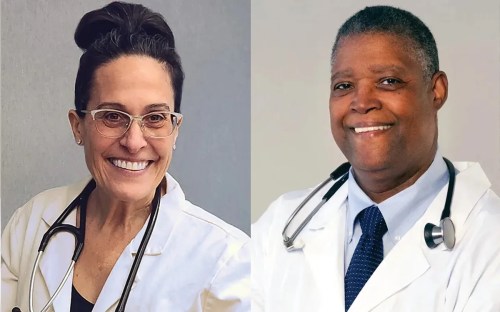
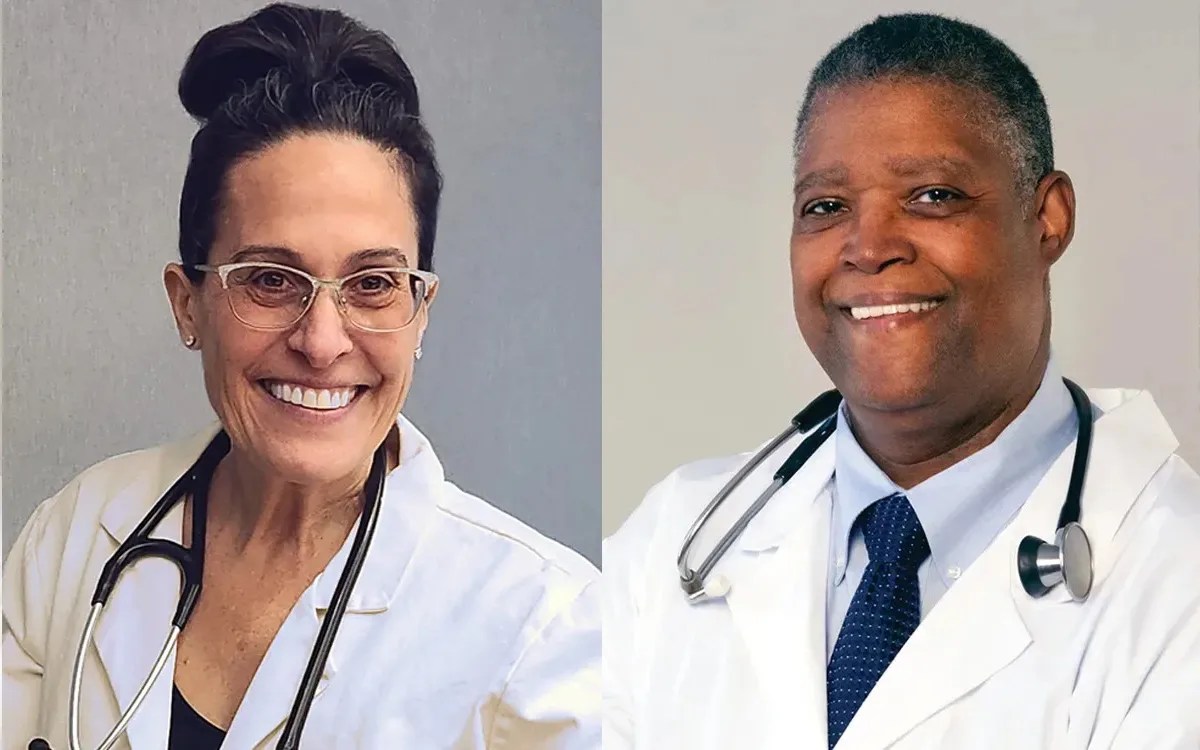
    Dr. Lela Mayers, Chief Medical Officer

    Dr. Van H. Dunn, Chief Medical Adviser

    Dr. Mayers and Dr. Dunn got together recently to discuss the “silent” health risks that many of us ignore. We opened the conversation with this question: What are some ways our bodies may be telling us something is wrong?

    Dr. Dunn: One is that you may be tired or you may start saying, “My memory is not what it used to be.” So, you start seeing little signs that things are not normal.

    Dr. Mayers: Also, you may find yourself a little more irritated than usual. You think it could just be stress. Stress and anxiety can lead to poor sleep, memory loss or just feeling a little “off.” But these can also be symptoms of other health conditions, like sleep apnea or high blood pressure. I think poor sleep is a good indicator that you should see a doctor, because it’s tied to so many things.

    Dr. Dunn: I agree, and the quality of your sleep is also important. If you go to sleep and wake up 15 minutes later, or you keep falling asleep and waking up, something may be going on. We recommend you get about eight hours of (mostly) uninterrupted sleep per night. If you consistently can’t do that, it’s a cause for concern. Sleep is really important for your overall well-being.

    Dr. Mayers: And one thing that we don’t talk about that often, but probably should, is that menopause can disrupt sleep. Your sleep patterns can change with perimenopause and menopause. You should speak to your doctor if this is happening, because there are things that can help you.

    Dr. Dunn: For men, I think experiencing urinary symptoms is a concern. It’s very important to talk to your doctor about it, because it could indicate a large prostate or urinary tract infection.

    Dr. Mayers: That’s a good point because if you’re getting up five or ten times during the night to use the bathroom, your sleep is completely disrupted. And it could signal a bigger issue. These are the types of signs to look for because there are a lot of “silent” health conditions. People who have high blood pressure or the beginning of diabetes can feel completely fine.

    Dr. Dunn: It’s true—a lot of times there are no symptoms to hypertension. You can be walking around with blood pressure that is out of control thinking you’re fine, but in reality you could be a candidate for a stroke or heart attack. So, it’s important to have a relationship with a provider and periodically get your blood pressure checked.

    Dr. Mayers: And women can have different symptoms of a heart attack than men. A heart attack is typically described as a crushing chest pain, like an elephant sitting on your chest. That’s not necessarily what women experience—it can be much more subtle. It may be an overwhelming sense of fatigue or shortness of breath. Or just discomfort. A feeling that something is wrong. Other people feel nauseous or like they have indigestion. It’s best to take action rather than just wonder about it.

    Dr. Dunn: We should also talk about the fact that many people in this country struggle with obesity, which can be a risk factor on its own but can also contribute to some of the conditions we’re talking about. We don’t put barriers around getting care; you can schedule unlimited nutritionist visits if you want to make changes to the way you eat.

    Dr. Mayers: We both see obesity as a chronic health condition like hypertension or diabetes. And I think we are all familiar with the medications that are now available. But we also offer many supportive programs like Weight Watchers®, Noom and FlyteHealth.

    Dr. Dunn: I think we’ve always treated obesity as a behavioral issue in this country. As a clinician, I believe it’s a chronic disease and we should treat it as such and not stereotype people who are overweight as simply making bad choices. And we now have medications that help. GLP-1s have been very effective for diabetes and also for weight loss.

    Dr. Mayers: Yes, our understanding has evolved a lot, but I think there’s still the perception that obesity is a result of bad choices and that thin people don’t develop hypertension or type 2 diabetes, but it’s not true. Age and family history also play a role.

    Dr. Dunn: The goal is to keep health conditions from progressing.

    Dr. Mayers: Exactly, some things you can control and some you can’t. And you certainly shouldn’t blame yourself or let that stop you from seeing a doctor. We want you to take care of things before you have symptoms. And tell the doctor everything you’re experiencing. Anything unusual and even things you may have normalized over the years. Your doctor’s knowledge about you is only as good as what you share with them.


    Dr. Dunn: We want you to be in care regularly, so that you can live your best possible life.

  • The Choice Is Yours

    The Choice Is Yours

    The Choice Is Yours

    Reach your health goals with programs that meet you where you are.

    Noom is a holistic weight-loss program that uses a scientific mind-first approach to support you in building healthy habits that last. When you join through the Benefit Funds, you won’t pay a monthly fee and you’ll receive access to wellness lessons, health tracking tools and unlimited one-on-one human coaching.

    FlyteHealth is an innovative digital program for weight loss and health management. When you join, you’ll be paired with a medical care team that includes physicians, nurse practitioners and registered dietitians who will work with you to create a personalized care plan.

    There’s a reason why more than 8,200 1199ers have joined Weight Watchers®. WW offers meal planning, a supportive community and an award-winning app packed with smart, high-tech features to help you reach your goals. When you join through the Benefit Funds, you’ll receive our discounted or no-cost membership!

    If you’re living with type 2 diabetes, Virta partners with you to build a nutrition plan that is individualized for you. If you’re eligible for this program, you’ll receive a Starter Kit, dedicated medical support and a flexible schedule for health coaching available via Zoom, messaging or phone calls.

    For more information, please visit our The Choice Is Yours page.

    Eligibility criteria apply. Results may vary based on your clinical profile and adherence to the program you participate in.

  • Teladoc Health: Care you need from the comfort of home

    Teladoc Health: Care you need from the comfort of home

    Teladoc Health: Care you need from the comfort of home

    Primary360

    If you need the convenience of seeing a primary care physician (PCP) virtually, Teladoc Health Primary360 offers annual exams and preventive care. Providers diagnose and treat health concerns, help you manage chronic conditions, prescribe medications and provide referrals for in-network specialists.

    24/7 Care

    Avoid the ER or urgent care center for non-emergency problems by seeing a clinician by phone or video.

    • Get a diagnosis and recommended treatment for cold and flu, fever, sprains and strains, backaches, rashes and more.
    • Get a prescription for medication, if you need it.

    Mental Health

    Connect with a Teladoc Health licensed therapist from your home for things like controlling stress and anxiety, managing depression, handling relationship and family problems, dealing with work issues, healing past trauma and overcoming burnout.

    Dermatology

    Have your skin concerns evaluated by a licensed Teladoc Health dermatologist. You can receive help with acne, rashes, eczema, rosacea and more.

    Visit www.Teladoc.com to set up an account and get started, or call (800) TELADOC (835-2362).

  • GLP-1s: Are they right for you?

    GLP-1s: Are they right for you?

    GLP-1s: Are they right for you?

    This new generation of weight-loss medications is changing the conversation around obesity and the conditions linked to it—such as diabetes, high blood pressure, cardiovascular disease, high cholesterol and sleep apnea. So, are glucagon-like peptide-1 receptor agonists (GLP-1s) an option for you?

    If you are diagnosed with prediabetes, type 2 diabetes or hypertension, one of the first things a doctor recommends is weight loss. The science behind weight loss seems straightforward: eat less, move more, lose weight. Yet for millions of people, the reality has been anything but simple.

    If lasting weight loss was just a matter of willpower, the diet industry wouldn’t be worth billions of dollars. People wouldn’t cycle through countless meal plans, fitness challenges and “life-changing” programs only to find themselves back where they started.

    The truth is that body weight is influenced by far more than calories consumed and calories burned. Genetics, hormones, metabolism, stress, sleep, chronic health conditions and even certain medications can all affect the weight-loss journey.

    Over the past few years, medications like Ozempic, Wegovy, Mounjaro and Zepbound have exploded into public awareness. They’ve sparked headlines, social media debates, celebrity endorsements and no shortage of questions.

    What are GLP-1 medications and how do they work?

    GLP-1s have actually been on the market since 2005 as a treatment for people with type 2 diabetes. Medications like exenatide and liraglutide targeted a single hormone receptor called GLP-1, helping the body increase insulin secretion and making people feel fuller sooner.

    These early formulations evolved into newer medications like semaglutide, which is a single agonist, and tirzepatide, which is a dual agonist that targets GLP-1 and the glucose-dependent insulinotropic polypeptide (GIP) receptor. This dual process works on multiple fronts to regulate appetite and blood sugar.

    The popularity of these new GLP-1s stems from the fact that they don’t rely solely on the self-discipline required for a regular diet. Instead, they help people feel full sooner, reduce cravings, slow digestion and make smaller portions feel more satisfying. In other words, they help align biology with behavior.

    For many people who have spent years battling constant hunger, this shift can be life-changing. According to a Kaiser Family Foundation poll, approximately one in eight U.S. adults are currently taking a GLP-1 medication.

    More than weight loss

    The conversation around GLP-1s often focuses on the number on the scale. But perhaps the more important question is, What’s possible when you achieve a healthier weight?

    Excess weight is linked to high blood pressure, type 2 diabetes, heart disease, sleep apnea and elevated cholesterol. Reducing weight can lead to real results that may improve your overall health and quality of life.

    That’s why many healthcare providers view GLP-1s as medical tools. And like any tool, their effectiveness depends on how they’re used.

    Hope vs. reality

    Studies have shown that when combined with healthy lifestyle changes, GLP-1 medications can help people lose an average of 15 to 25 percent of their body weight over about a year. Those results are significant and have given new hope to many people.

    But there’s another side to the story. GLP-1s aren’t magic. They still require commitment. Healthy eating habits matter. Physical activity matters. Sleep matters. Managing stress matters.

    And like most medications, they can come with side effects, including nausea, bloating, fatigue, heartburn and digestive discomfort as the body adjusts. Providers typically start patients on lower doses and gradually increase them over time to help reduce these effects.

    These medications may change how your body responds to food. They don’t change your lifestyle. That’s where the real work—and the opportunity—begins.

    The big question

    There’s one question that inevitably comes up in almost every discussion about GLP-1 medications: Will I have to take them forever?

    The answer is nuanced. Regaining weight can occur after stopping a GLP-1 medication. However, the goal isn’t simply to stop the medication—it’s to create a thoughtful transition plan with your doctor. Many providers recommend tapering doses while maintaining habits that support long-term health, including regular exercise, nutritious meals, stress management and healthy sleep routines.

    In other words, the medication may help open the door, but sustainable habits help keep it open.

    Our Wellness Department is here to support you!
    For more information, visit our Wellness page or call (646) 473-6900.

    Who is eligible?

    The standards for prescribing GLP-1 medications are based on age, body mass index (BMI) or the diagnosis of certain weight-related medical conditions. These include diabetes, prediabetes, high blood pressure, cardiovascular disease, high cholesterol and sleep apnea. GLP-1s are not recommended if you are pregnant, planning to get pregnant, have had pancreatitis or have certain types of cancer.

    That’s why a conversation with your doctor is necessary to determine eligibility and appropriatenesss before making the decision to try a GLP-1.

    Holly Lofton

    Our recent Health Is the Key podcast episode, “Beyond the GLP-1 Buzz, with Dr. Holly Lofton,” delved into how GLP-1s affect the brain and why partnering with your primary care physician is so important.

    Dr. Lofton is the Director of the Medical Weight Management Program at NYU Langone. She joined our host, Elizabeth Moore, to talk about the science behind GLP-1s and why adopting a healthy lifestyle is crucial to achieving long-term success.

    To listen to this episode or any of our previous ones, visit Health Is the Key.

    Beyond the prescription

    Perhaps the most important lesson emerging from the GLP-1 revolution is that successful weight management is rarely about one thing. It’s not just about a medication. It’s not just about diet. It’s not just about exercise. It’s about creating a sustainable approach to health that works in real life.

    The most successful journeys often combine medical support, healthy habits, community and realistic goals. Instead of trying to transform your life overnight, consider making small changes that can become permanent. Cooking at home more often. Taking a daily walk. Managing stress. Getting enough sleep.

    Those habits may not make headlines—but they may make the biggest difference.

    GLP-1 medications are powerful tools. The real question is not whether they can help you lose weight. The question is, How will you build a healthier life that lasts?

    Are you currently taking a GLP-1 and looking for a program to work with you on lifestyle changes as you lose weight?
    Visit The Choice Is Yours to learn more about the menu of options available to you.

    This information is for informational purposes only and is not intended as health or medical advice. Always consult a physician or other qualified health provider regarding any questions you may have about a medical condition or health objectives.

  • 1199ers: Where are they now?

    1199ers: Where are they now?

    1199ers: Where are they now?

    Diana Suárez, Housekeeper, The Pavilion at Queens for Rehabilitation & Nursing

    Diana Suárez has good news to share. Since being featured in last fall’s For Your Benefit, she has completed reconstructive surgery following breast cancer treatment and is thrilled to share that her hair has fully grown back. “I’m so happy now,” she said. “And I’m grateful that my 1199SEIU benefits were there for me throughout my recovery. The good news doesn’t stop there. This fall, Diana’s daughter, Eliana, is starting pre-K—a milestone that means more to Diana than words can express. “Sometimes it feels like a dream,” she said. “There were times when I was afraid I wouldn’t be here to watch her grow up or see her start school. But I kept fighting, and now I get to experience this moment.” Congratulations, Diana!

  • Healthy Finances: Keeping it Safe

    Healthy Finances: Keeping it Safe

    Healthy Finances

    • Banking Basics

      Wednesday, October 21, 2026, at 6:00 pm

      Banking Basics teaches you how to open accounts, make deposits and withdrawals, monitor fees, maintain balances, conduct transactions remotely safely, and more.

    • Understanding Your Paycheck

      Wednesday, November 18, 2026, at 6:00 pm

      In this webinar, you’ll learn about payroll and tax deductions, social security, Medicare, FICA and more.

    • How Credit Works

      Wednesday, December 9, 2026, at 6:00 pm

      Utilizing credit, credit reporting, credit scores and credit impact. Understand credit and learn how lenders determine your credit worthiness and more in this webinar.

    Other Healthy Finances Courses

    Keeping it Safe

    Understanding Your Paycheck

    Saving Strategies Part One

    Next Live Video:
    Wednesday, March 1, 2023 at 6:00 pm

    Saving Strategies Part Two

    Next Live Video:
    Wednesday, March 15, 2023 at 6:00 pm

    Give Me Some Credit

    Next Live Video:
    Wednesday, March 29, 2023 at 6:00 pm

    Recovering from Financial Hardship: It’s Not Over!

    Next Live Video:
    Wednesday, April 12, 2023 at 6:00 pm

    Working Toward Retirement, Part One

    Next Live Video:
    Wednesday, April 26, 2023 at 6:00 pm

    Working Toward Retirement, Part Two

    Next Live Video:
    Wednesday, May 10, 2023 at 6:00 pm

    Growing Your Money

    Next Live Video:
    Wednesday, May 24, 2023 at 6:00 pm

  • Our new on-demand exercise video library has something for everyone!

    Our new on-demand exercise video library has something for everyone!

    Our new on-demand exercise video library has something for everyone!

    Whether you are a beginner or have been athletic all your life, there’s something for everyone! Categories include barre, high-intensity interval training (HIIT), strength, pre/postnatal, meditation and more! We’ll be adding new content frequently, so be sure to bookmark the page and check back often.

    Visit our On-demand Exercise Videos page.

    Register for these online webinars and classes

    Menopause: Take Control/Find Relief

    Session 1

    Saturday, September 19, at 10:00 am

    Session 2

    Tuesday, September 22, at 6:00 pm

    Dance Class

    September 12, 19, 26

    Saturdays at 10:00 am

    October 3, 10, 17, 24, 31

    Saturdays at 10:00 am

    November 7, 14, 21, 28

    Saturdays at 10:00 am

    December 5, 12

    Saturdays at 10:00 am

    Yoga and Pilates Fusion Flow

    September 15, 22, 29

    Tuesdays at 6:30 pm

    October 6, 13, 20, 27

    Tuesdays at 6:30 pm

    November 3, 10, 17, 24

    Tuesdays at 6:30 pm

    December 1, 8

    Tuesdays at 6:30 pm

    Your Prescription Is on Your Plate

    Session 1

    Saturday, October 3, at 10:00 am

    Session 2

    Tuesday, October 6, at 6:00 pm

    Visit our Healthy Living Events page to get more information and register!

    Can’t make these times?

    Create your own schedule with our library of wellness workshops and videos on demand. Visit the Benefits Channel for a full list of what’s available.

  • Maternal Health Program

    Maternal Health Program

    Maternal Health Program

    With our free and confidential program, you’ll learn about the habits that lead to a healthier pregnancy and receive support in getting the best care. You can sign up by logging into the MyAccount app or visiting MyAccount.

    View our on-demand videos

    Our Wellness Department’s online maternal health video series is here to offer you support. Topics include what to expect as your due date approaches and how to care for yourself and your baby after delivery. Plus, we have a library of classes available to watch whenever and wherever it’s convenient for you. Check it out today!

    Visit our Maternal Health page to watch our on-demand classes.

    ONLINE WORKSHOP

    Ask the Expert: Taking Charge of Your Labor

    Saturday, September 12, at 10:00 am

    Ask the Expert: Breastfeeding and Nutrition

    Saturday, December 5, at 10:00 am

    Register for these workshops

    These workshops will also be available on demand.