
Vea por qué los integrantes de 1199 se unen a WeightWatchers!
Existe una razón por la que más de 4,800 integrantes de 1199 se han registrado: porque WeightWatchers® tiene un historial comprobado de ayudar a los afiliados a alcanzar sus objetivos. Este programa respaldado por la ciencia ofrece planificación de comidas, una aplicación galardonada y más de 12,000 recetas nutritivas y sabrosas. Ahora, incluso hay talleres exclusivos para integrantes de 1199 y nuestra propia red social, el grupo con integrantes de 1199, para ayudar a nuestra comunidad a apoyarse mutuamente e intercambiar información. ¡Y la mejor parte es que cuando se inscribe a través del Fondo de Beneficios, puede aprovechar nuestra afiliación prémium con descuento o sin costo!
Historias de éxito de los integrantes de 1199
Los amigos de Mount Sinai Tykar Williams y Long Island Community Hospital, Joanne Rosso y Salvatore Oliveri, hablaron sobre por qué se unieron a WeightWatchers® en la edición anterior de For Your Benefit. Sus historias ayudaron a inspirar a miles de integrantes de 1199 a aprovechar las tarifas de afiliación con descuento de WW que se ofrecen a través del Fondo de Beneficios. Veamos dónde se encuentran ahora en sus caminos…
Tykar Williams

La última vez que hablamos con el técnico de fisioterapia Tykar Williams, se había inscrito en WW para mantener el peso que había perdido recientemente. Avance rápido…su afiliación en WW, junto con su dedicación a preparar sus propios jugos saludables, le permitió lograrlo, ¡y ha perdido otras 15 libras! Ahora tiene la energía que necesita para avanzar en su carrera al participar en el Programa Educativo de Devolución de Servicio de Tecnología Radiológica de los Fondos. ¡Bien hecho, Tykar!
Joanne Rosso and Salvatore Oliveri

¿Han seguido el programa WW? ¿Ha funcionado para ellos? ¡SÍ y SÍ! Joanne bajó otras 17 libras desde que presentamos su camino por primera vez. Bajó un total de 30 libras desde que se unió a WW. Muchas personas han notado su pérdida de peso últimamente, incluidos sus médicos. Su cardiólogo no podría estar más feliz. Su presión arterial y sus niveles de colesterol ahora son normales; ambos estaban elevados antes de unirse a WW y perder peso ¿Qué sucedió con Sal? Ha perdido 51 libras desde que se unió y aún no ha terminado. Quiere perder otras 30 libras y está agradecido por la ayuda que está recibiendo en el camino hacia su objetivo. Joanne no podría estar más orgullosa de su amigo.
¿Ya es afiliado de WW? ¡Únase al grupo de integrantes de 1199!
Tykar, Joanne y Sal también se unieron al grupo de integrantes de 1199 en la sección Conectar de la aplicación WeightWatchers. Si es afiliado de WW, es fácil convertirse en parte de esta zona divertida, solidaria y libre de juicios y comenzar a conversar con otros integrantes de 1199. Cuando se une, puede compartir su historia, obtener consejos e inspiración e intercambiar consejos con otros afiliados que puedan estar en un camino similar al suyo. Conéctese: ¡nunca se sabe quién podría aparecer!
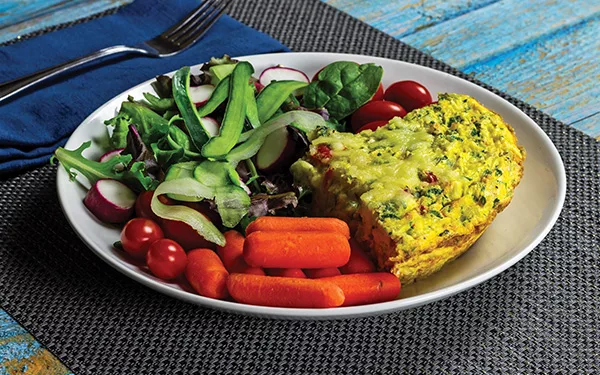
Tortilla de papas y pimientos de WeightWatchers
Rinde 4 porciones
4 puntos por porción
Esta tortilla es la mejor opción para el cocinero: un plato de huevo fácil para el desayuno o brunch. Tiene una presentación lo suficientemente impresionante como para servir a una multitud, pero es lo suficientemente sencillo como para prepararlo para un desayuno rápido. Además, la receta es sumamente versátil. Puede sustituirla por otras verduras, como calabacín, brócoli o tomates picados, y otros quesos, como el feta o el Monterey Jack, en lugar de lo que pide la receta aquí.
Ingredientes
1 cucharada de aceite de canola
2 tazas de papas ralladas congeladas
8 cebollinos medianos picados
1 pimiento mediano rojo, sin semillas y picado
Una pizca de sal
2 tazas de sustituto líquido de huevo
½ taza de queso cheddar sin grasa rallado
1 cucharada de queso parmesano rallado
½ cucharadita de pimienta negra gruesa molida
Instrucciones
1. Caliente el aceite en una sartén mediana antiadherente a fuego medio. Agregue las papas ralladas, los cebollinos, el pimiento y la sal; cocine, revolviendo frecuentemente, hasta que las verduras estén tiernas y doradas, durante 8 a 10 minutos. Incorpore el perejil.
2. Mientras tanto, rocíe una sartén antiadherente grande con aerosol antiadherente y colóquela a fuego medio. Agregue el sustituto del huevo y cocine hasta que cuaje, durante 7 a 8 minutos mientras levanta los bordes con frecuencia con una espátula para dejar que el sustituto del huevo crudo fluya por debajo.
3. Vierta la mezcla de papa sobre la tortilla; luego espolvoree con el queso cheddar, el queso parmesano y la pimienta molida. Tape la sartén y cocine hasta que el queso se derrita, aproximadamente 3 minutos.
¿POR QUÉ está emprendiendo su camino hacia la salud?
Ya sea que esté empezando o ya lleve un tiempo en esto, pregúntese: ¿POR QUÉ estoy en este camino? Su POR QUÉ es la razón por la que ha tenido el coraje de comenzar su camino hacia la salud y es lo que lo motiva a alcanzar sus objetivos.
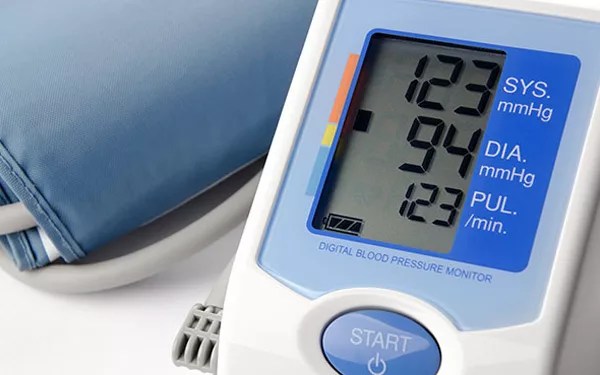

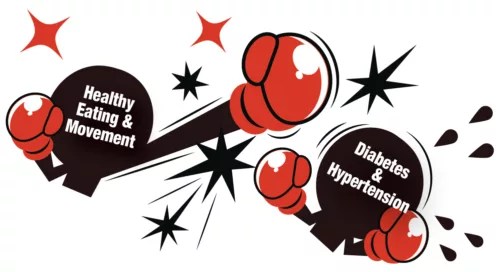 Hacer cambios en su estilo de vida es más fácil de lograr si comienza poco a poco. Comience con cambios saludables que pueda hacer en sus elecciones de alimentos y agregue una caminata de 10 minutos a su actividad hoy. La pérdida de peso es un superhéroe cuando se lucha contra esta mala combinación. Comer alimentos más saludables y agregar más movimiento a su día puede afectar drásticamente su salud. Y recuerde: cada pequeño cambio que haga cuenta.



 Do you wish you knew more about how to improve your finances? Whether it’s utilizing credit or protecting yourself from financial abuse, managing your money can leave you feeling confused. Take the guesswork out by attending one of our financial wellness webinars.








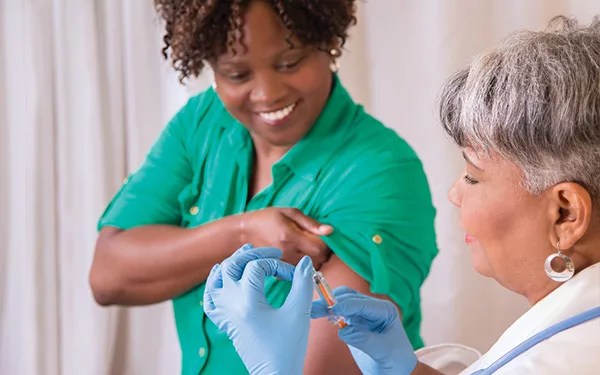
 As a healthcare worker, you help keep others healthy. But you’re also at increased risk of catching the flu and COVID-19—and spreading it to others. So, if you haven’t done it yet, get protected with this plan.