C
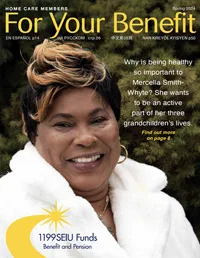
Семь лет назад Mercella Smith-Whyte и двое ее детей переехали в США. Ее отец, который уже был гражданином США, настаивал на переезде, так как хотел лучшей жизни для своих близких. Она рада, что послушала его.
Вскоре после переезда Mercella стала специалистом по медицинскому уходу на дому в компании FEGS Home Attendant Services. У нее был опыт ухода за бабушкой в детстве, и это стало основой для ее новой работы. В качестве специалиста по медицинскому уходу на дому Mercella помогает пожилым клиентам принимать лекарства и правильно питаться, а также оказывает им содействие в других аспектах их повседневной жизни. «Помогая им, я испытываю радость, — говорит она. — Многие из них уже не могут позаботиться о себе, поэтому я хочу их поддержать».
Желание быть опорой своим клиентам стало одной из причин, заставивших Mercella встать на путь оздоровления. У нее обнаружили ревматическую болезнь сердца, поэтому забота о собственном здоровье стала для нее особенно приоритетной. Одышка — это один из симптомов, с которыми она столкнулась, поэтому она сама и ее врачи тщательно отслеживают ее состояние. Mercella не только проходит ежегодный профилактический осмотр, но также посещает своего кардиолога каждые три месяца. Льготы в области здоровья от профсоюза 1199SEIU гарантируют ей надлежащий уровень медицинского обслуживания. «Когда я впервые узнала о том, что у меня имеется ревматическая болезнь сердца, я не испугалась. Я просто хотела понять, как мне лучше всего с ней справляться, — сообщает она. — А теперь мой врач очень хорошо меня знает, она чудесная, и мне с ней очень комфортно».
Оба врача Mercella рекомендовали ей похудеть, и Mercella признается, что это непростая задача для нее, учитывая, что она работает. Но она понимает, как это важно, поэтому разработала план занятий для дома на те дни, когда погода за окном не позволяет выйти на прогулку. Она делает отжимания, приседания и ходит по квартире. И ее план принес свои плоды. «Мне стало лучше, и у меня появилось больше гибкости после упражнений. Мой кардиолог сообщил мне, что я похудела на 3 фунта с момента нашей последней встречи, — рассказывает она с улыбкой. — Он сказал мне продолжать в том же духе, и я так и поступлю!»
Mercella также стала правильно питаться, сократив количество риса и хлеба и добавив больше овощей в свой рацион. Она уменьшила размер порций и самостоятельно делает полезные соки из огурцов, манго, салата кейл и зеленых яблок.
Mercella также заинтересовалась сотрудничеством Benefit Funds с Weight Watchers® и рассматривает возможность принять участие в этой программе. А пока у нее появился новый фаворит в еде. «Теперь я ем больше морепродуктов, — поделилась она. — Не важно, какой это сорт, главное, что это рыба!».
Что Mercella ответит на вопрос «ПОЧЕМУ»? «У меня трое внуков, — говорит она. — Мне необходимо быть здоровой, чтобы оставаться активной и проводить время вместе с ними».
У Mercella есть и другие поводы для радости. В 2022 году она стала гражданином США после того, как узнала о программе помощи в получении гражданства 1199SEIU. «Они позаботились обо всем вместо меня, — вспоминает она. — Благодаря им все прошло настолько идеально, и на это ушло всего лишь 6 месяцев. Они даже возместили мне большую часть затрат. Они делают хорошее дело — я им очень признательна!».
Но Mercella на этом не остановится. «Я собираюсь и далее активно проводить время со своей семьей и подумываю о том, чтобы вернуться к учебе и повысить свою квалификацию в области сестринского ухода, — поделилась она. — Я не хочу стоять на месте!».