A conversation with our doctors

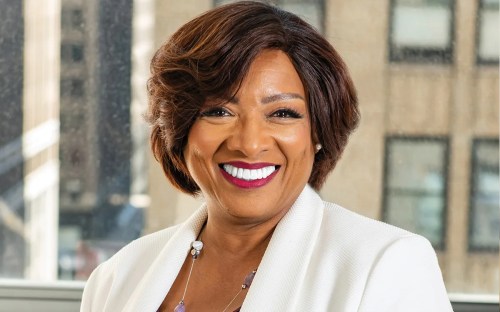
Dr. Lela Mayers, Chief Medical Officer

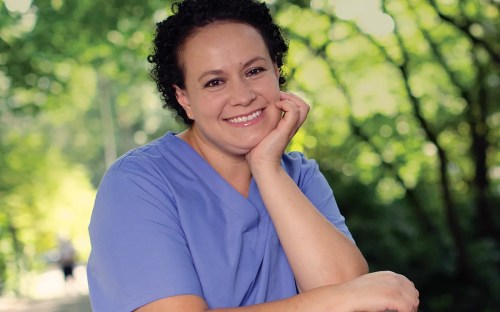
Dr. Van H. Dunn, Chief Medical Adviser
Dr. Mayers and Dr. Dunn got together recently to discuss the “silent” health risks that many of us ignore. We opened the conversation with this question: What are some ways our bodies may be telling us something is wrong?
Dr. Dunn: One is that you may be tired or you may start saying, “My memory is not what it used to be.” So, you start seeing little signs that things are not normal.
Dr. Mayers: Also, you may find yourself a little more irritated than usual. You think it could just be stress. Stress and anxiety can lead to poor sleep, memory loss or just feeling a little “off.” But these can also be symptoms of other health conditions, like sleep apnea or high blood pressure. I think poor sleep is a good indicator that you should see a doctor, because it’s tied to so many things.
Dr. Dunn: I agree, and the quality of your sleep is also important. If you go to sleep and wake up 15 minutes later, or you keep falling asleep and waking up, something may be going on. We recommend you get about eight hours of (mostly) uninterrupted sleep per night. If you consistently can’t do that, it’s a cause for concern. Sleep is really important for your overall well-being.
Dr. Mayers: And one thing that we don’t talk about that often, but probably should, is that menopause can disrupt sleep. Your sleep patterns can change with perimenopause and menopause. You should speak to your doctor if this is happening, because there are things that can help you.
Dr. Dunn: For men, I think experiencing urinary symptoms is a concern. It’s very important to talk to your doctor about it, because it could indicate a large prostate or urinary tract infection.
Dr. Mayers: That’s a good point because if you’re getting up five or ten times during the night to use the bathroom, your sleep is completely disrupted. And it could signal a bigger issue. These are the types of signs to look for because there are a lot of “silent” health conditions. People who have high blood pressure or the beginning of diabetes can feel completely fine.
Dr. Dunn: It’s true—a lot of times there are no symptoms to hypertension. You can be walking around with blood pressure that is out of control thinking you’re fine, but in reality you could be a candidate for a stroke or heart attack. So, it’s important to have a relationship with a provider and periodically get your blood pressure checked.
Dr. Mayers: And women can have different symptoms of a heart attack than men. A heart attack is typically described as a crushing chest pain, like an elephant sitting on your chest. That’s not necessarily what women experience—it can be much more subtle. It may be an overwhelming sense of fatigue or shortness of breath. Or just discomfort. A feeling that something is wrong. Other people feel nauseous or like they have indigestion. It’s best to take action rather than just wonder about it.
Dr. Dunn: We should also talk about the fact that many people in this country struggle with obesity, which can be a risk factor on its own but can also contribute to some of the conditions we’re talking about. We don’t put barriers around getting care; you can schedule unlimited nutritionist visits if you want to make changes to the way you eat.
Dr. Mayers: We both see obesity as a chronic health condition like hypertension or diabetes. And I think we are all familiar with the medications that are now available. But we also offer many supportive programs like Weight Watchers®, Noom and FlyteHealth.
Dr. Dunn: I think we’ve always treated obesity as a behavioral issue in this country. As a clinician, I believe it’s a chronic disease and we should treat it as such and not stereotype people who are overweight as simply making bad choices. And we now have medications that help. GLP-1s have been very effective for diabetes and also for weight loss.
Dr. Mayers: Yes, our understanding has evolved a lot, but I think there’s still the perception that obesity is a result of bad choices and that thin people don’t develop hypertension or type 2 diabetes, but it’s not true. Age and family history also play a role.
Dr. Dunn: The goal is to keep health conditions from progressing.
Dr. Mayers: Exactly, some things you can control and some you can’t. And you certainly shouldn’t blame yourself or let that stop you from seeing a doctor. We want you to take care of things before you have symptoms. And tell the doctor everything you’re experiencing. Anything unusual and even things you may have normalized over the years. Your doctor’s knowledge about you is only as good as what you share with them.
Dr. Dunn: We want you to be in care regularly, so that you can live your best possible life.